Skin Conditioning Tips for Climbers: Build Armor for Your Hands
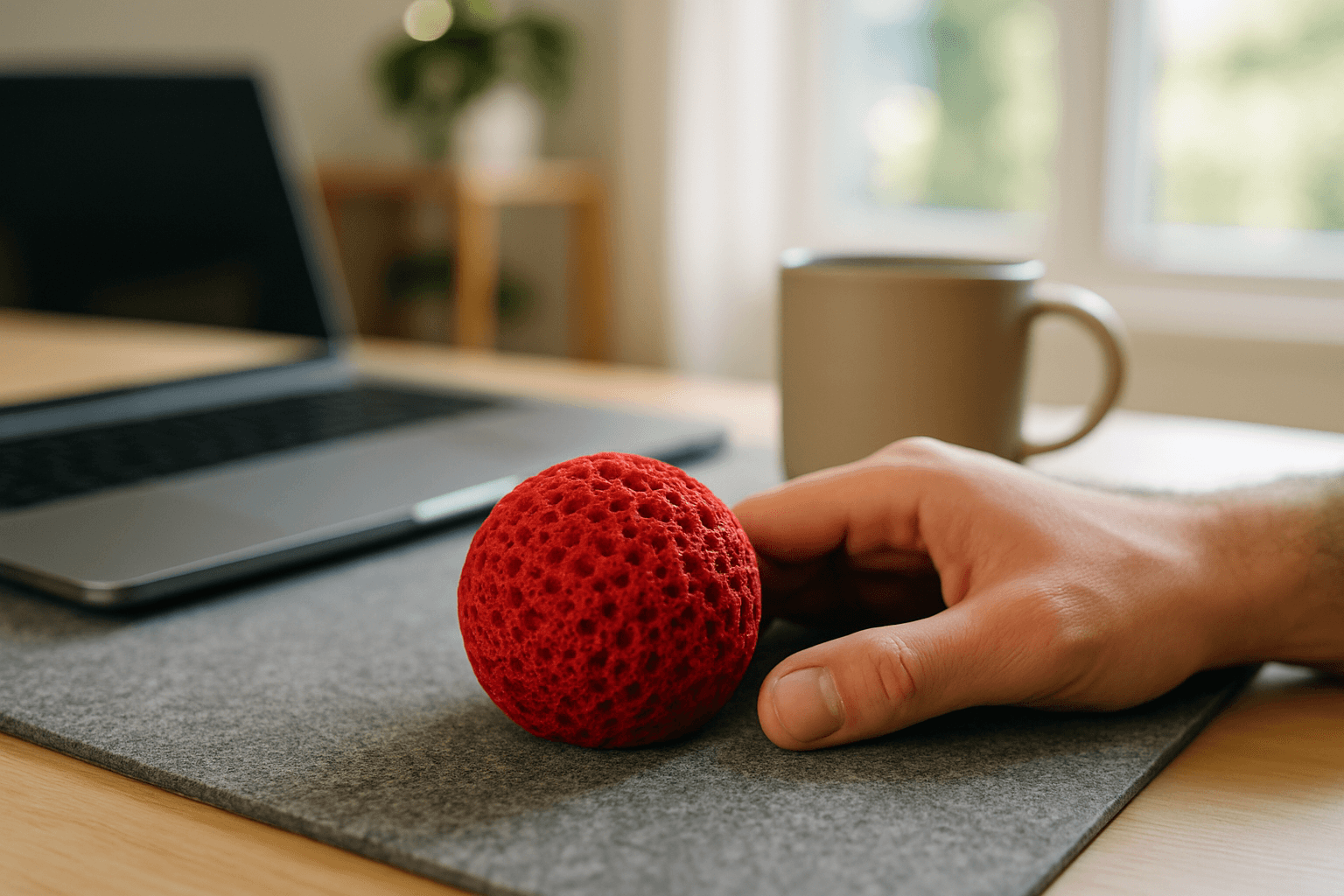
Your skin is your interface with the rock. No matter how strong your fingers are, if your skin can't handle the texture and friction of real climbing holds, you'll be limited. This comprehensive guide will show you how to systematically build resilient, climbing-ready skin that won't hold you back.
Why Skin Conditioning Matters
Many climbers focus exclusively on finger strength while neglecting their skin. This creates a critical weakness—you might have the power to hold a crimp, but if your skin tears or becomes too painful, that strength is useless. Proper skin conditioning:
- Reduces the risk of flappers and splits
- Allows you to train more consistently
- Prepares you for outdoor rock texture
- Builds pain tolerance and neural adaptation
- Improves recovery between climbing sessions
Understanding Your Skin
The Three Layers
Climbing primarily affects the epidermis (outer layer) of your skin. When you train consistently on textured surfaces, your body responds by:
- Thickening the stratum corneum: The outermost protective layer becomes denser
- Increasing keratinocyte production: More cells = more protective tissue
- Adapting nerve endings: Reducing pain sensitivity to friction
- Strengthening collagen bonds: Making skin more tear-resistant
This adaptation takes time—typically 3-6 weeks of consistent exposure to see meaningful improvements.
Progressive Conditioning Protocol
Phase 1: Building Foundation (Weeks 1-2)
Objective: Introduce skin to textured surfaces without causing damage
- Frequency: 4-5 times per week
- Duration: 10-15 minutes per session
- Texture: Subtle to medium (avoid aggressive textures initially)
- Method: Light contact, focus on full hand engagement
- Signs you're progressing correctly: Mild redness that disappears within 30 minutes, no pain the next day
Warning Signs to Watch For
Stop immediately if you experience:
- • Skin splitting or flapper formation
- • Pain lasting more than 24 hours
- • Excessive bleeding or weeping
- • White/waterlogged appearance of skin
Phase 2: Progressive Overload (Weeks 3-6)
Objective: Systematically increase texture intensity and duration
- Frequency: 5-6 times per week
- Duration: 15-25 minutes per session
- Texture: Progress to medium-aggressive textures
- Method: Introduce holds under load, practice dynamic movements
- Equipment: Start using textured training covers on pegboards and pull-up bars
Phase 3: Maintenance & Specialization (Week 7+)
Objective: Maintain resilience while preparing for specific rock types
- Frequency: 3-4 times per week (reduced frequency, increased intensity)
- Duration: 20-30 minutes per session
- Texture: Match your target climbing surface (sharp for granite, coarse for sandstone)
- Method: Focus on project-specific movements and holds
Daily Skin Care Routine
Pre-Training
- Don't over-moisturize: Soft skin tears more easily
- Warm up hands: 5-10 minutes of light squeezing to increase blood flow
- Check for hot spots: Address any sensitive areas before they become problems
Post-Training
- Clean hands thoroughly: Remove chalk, dirt, and dead skin
- File calluses: Smooth down rough edges that could catch and tear
- Apply targeted moisturizer: Focus on cuticles and backs of hands, not palms
- Consider anti-inflammatory: Ice or contrast baths if skin is particularly stressed
Rest Days
- Light moisturizing: Keep skin supple but not overly soft
- Cuticle care: Prevent hangnails that can sideline you
- Monitor healing: Track any areas that need extra recovery time
Common Mistakes to Avoid
Progressing Too Quickly
The most common error is jumping to aggressive textures before your skin is ready. This leads to flappers, tears, and setbacks that can cost you weeks of training. Always err on the side of caution—it's better to progress slowly than to injure yourself.
Over-Moisturizing
While it seems counterintuitive, too much moisturizer weakens your skin's protective layer. Soft, hydrated skin is more prone to tearing under friction. Use moisturizer strategically on areas that aren't in contact with holds.
Ignoring Early Warning Signs
That "hot spot" or sensitive area isn't something to push through. Address issues early with tape, reduced intensity, or rest. A day off now beats weeks off later.
Training Through Injuries
If you've developed a flapper or split, you must allow it to heal completely before resuming texture training. Continuing to climb on damaged skin dramatically extends recovery time and increases infection risk.
Treating Common Skin Issues
Flappers
Prevention: File calluses regularly, progress texture gradually
Treatment if they occur:
- Clean thoroughly with soap and water
- Trim dead skin carefully with sterilized scissors
- Apply antibiotic ointment
- Cover with liquid bandage or specialized climbing tape
- Allow 3-7 days for healing before returning to texture training
Deep Splits
Prevention: Keep skin supple but not soft, avoid over-drying
Treatment if they occur:
- Clean and moisturize immediately after climbing
- Use climbing-specific skin glue for deep cracks
- Tape during sessions if needed
- Consider climbing with less chalk (it dries skin)
Equipment for Systematic Conditioning
Build resilient skin with FrictionForm's textured training system. Our modular grips allow you to progress through texture intensities systematically:
- • Sloper texture: Perfect for Phase 1 foundation building
- • Ribbed texture: Ideal for Phase 2 progressive overload
- • Coral texture: Prepares you for sharp outdoor rock
- • Portable balls: Train anywhere, anytime for consistent adaptation
Advanced Tips for Outdoor Preparation
Rock-Specific Conditioning
- Granite (Yosemite, Squamish): Train on sharp, crystalline textures. Focus on crimp tolerance.
- Sandstone (Red Rocks, Indian Creek): Use coarse, gritty textures. Build friction tolerance on slopers.
- Limestone (Spain, Thailand): Work on sharp pockets and edges. Develop fingertip resilience.
Competition Preparation
Competition holds are often highly textured and require rapid adaptation. Train on varied textures 2-3 times per week leading up to comps. Your skin should be tough enough to handle multiple rounds without significant damage.
Key Takeaways
- Progress texture intensity gradually over 6-8 weeks
- Consistency trumps intensity—train frequently at moderate levels
- File calluses regularly to prevent tearing
- Moisturize strategically, not excessively
- Match your conditioning to your climbing goals (rock type, style)
- Rest and recover from any skin damage completely before resuming
Building resilient climbing skin is a systematic process that requires patience and consistency. Follow these protocols, listen to your body, and you'll develop the armor needed to tackle your hardest projects without skin being the limiting factor. Want to improve your overall grip strength? Check out our complete guide on building grip strength for climbing.