How to Build Grip Strength for Climbing: Complete Guide
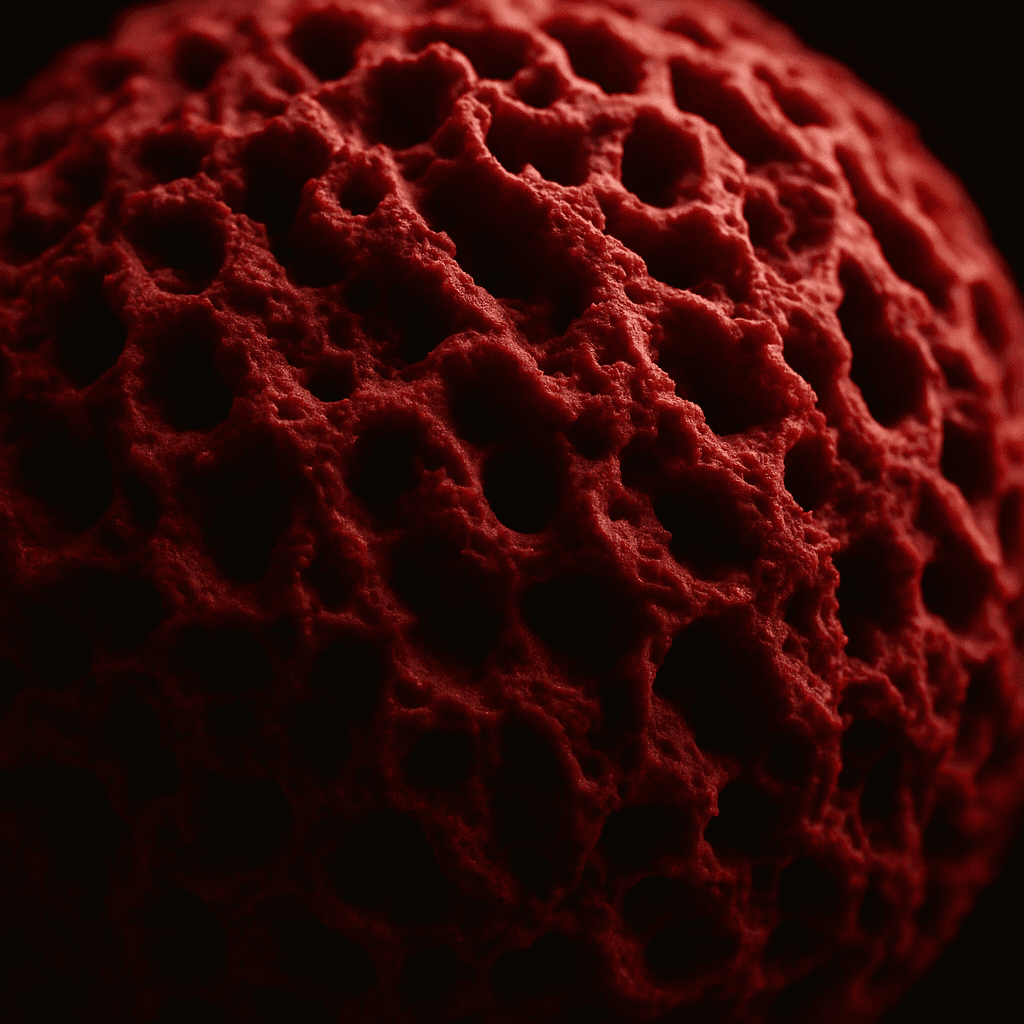
Grip strength is the foundation of climbing performance. Whether you're projecting your first V5 or attempting big wall climbs in Yosemite, your fingers are the critical link between you and the rock. This comprehensive guide will show you exactly how to build bulletproof grip strength through proven training methods.
Why Grip Strength Matters in Climbing
Unlike most sports, climbing places extreme demands on your hands and fingers. You're not just holding onto things—you're supporting your entire bodyweight on edges measured in millimeters. Strong grip strength allows you to:
- Hold smaller edges and crimps with confidence
- Maintain contact on slopers and volumes
- Reduce pump and climb longer routes
- Recover faster between attempts
- Prevent finger injuries through proper conditioning
The 3 Types of Grip Strength You Need
1. Crush Grip (Full Hand)
Crush grip involves squeezing with your entire hand—think jugs and large holds. While this is the weakest link for most climbers, it's essential for dynamic moves and powerful sequences. Train crush grip with:
- Textured balls: Squeeze and hold portable grip training balls during rest periods or at your desk
- Farmer's carries: Walk with heavy weights to build endurance
- Dead hangs: Hang from thick bars or climbing holds
2. Pinch Grip (Thumb Opposition)
Pinch strength is crucial for volumes, aretes, and pinch holds. Many climbers neglect this, creating a weakness that shows up on competition-style problems. Improve pinch grip through:
- Pinch blocks: Dead hang from pinch holds of varying widths
- Plate pinches: Lift weight plates using only your fingers and thumb
- Volume training: Specifically practice on large volume holds
3. Finger Strength (Open & Crimp)
This is what most people think of as "grip strength" in climbing—the ability to hold tiny edges. Finger strength training requires careful progression to avoid injury:
- Hangboard protocols: Max hangs (7-10 seconds) and repeaters (7s on, 3s off)
- Campus board ladders: Advanced tool for explosive finger power
- Textured training: Condition your skin to handle sharp holds without pain
Pro Tip: Skin Conditioning is Non-Negotiable
Many climbers plateau not because of strength, but because their skin can't handle the texture of real rock. Train on textured surfaces that mimic granite, limestone, and sandstone to build skin resilience alongside strength. Learn more about skin conditioning techniques.
Progressive Training Protocol
Building grip strength safely requires systematic progression. Follow this 12-week protocol:
Weeks 1-4: Foundation Phase
- Frequency: 2-3 sessions per week
- Focus: High-volume, moderate intensity
- Exercises: Dead hangs (30-60s), farmer's carries, textured ball squeezes
- Skin conditioning: Start with subtle textures, 10-15 minute sessions
Weeks 5-8: Strength Phase
- Frequency: 3 sessions per week
- Focus: Max strength development
- Exercises: Weighted hangs (added weight), max hangs (7-10s), one-arm dead hangs (assisted)
- Skin conditioning: Progress to medium textures, incorporate ribbed surfaces
Weeks 9-12: Power Phase
- Frequency: 2-3 sessions per week
- Focus: Contact strength and power
- Exercises: Campus board ladders, dynamic hangs, limit bouldering
- Skin conditioning: Train on aggressive textures to prepare for outdoor projects
Common Mistakes to Avoid
Training Too Hard, Too Soon
Finger tendons and pulleys adapt slower than muscles. Pushing too hard leads to pulley strains, tendinitis, and months of recovery. Always prioritize gradual progression over quick gains.
Neglecting Recovery
Your fingers need 48-72 hours to recover from intense grip training. Train other aspects (footwork, technique, core) on off days rather than adding more finger work.
Ignoring Skin Conditioning
Even with monster finger strength, if your skin can't handle textured holds, you'll struggle outdoors. Systematically condition your skin alongside strength training for complete preparation.
Equipment Recommendations
You don't need a gym full of equipment to build exceptional grip strength. Essential tools include:
- Hangboard: Install at home for consistent training access
- Textured grip covers: Transform smooth training equipment into rock-realistic surfaces
- Portable grip balls: Train anywhere with modular textured balls
- Resistance bands: For assisted one-arm hangs and injury prevention
Key Takeaways
- Train all three grip types: crush, pinch, and finger strength
- Follow progressive protocols—don't rush the process
- Condition your skin alongside strength development
- Allow proper recovery between intense sessions
- Use quality equipment that simulates real climbing conditions
Building grip strength for climbing is a marathon, not a sprint. Follow these protocols consistently, listen to your body, and you'll develop the crushing finger strength needed for your next climbing breakthrough. For more training tips, check out our guide on pegboard training techniques.